Energy Resources:
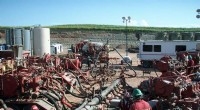
* Petroleum (Oil): The region holds the world's largest proven oil reserves, concentrated mainly in Saudi Arabia, Iran, Iraq, Kuwait, and the United Arab Emirates. This oil wealth has significantly impacted the region's development, political power, and international relations.
* Natural Gas: Along with oil, the region has vast natural gas reserves, also concentrated in countries like Iran, Qatar, and the United Arab Emirates. This resource is increasingly important as the world transitions to cleaner energy sources.
Other Resources:
* Minerals: Southwest Asia has significant deposits of various minerals, including phosphate rock (used for fertilizers), sulfur, copper, iron ore, and manganese. These resources are essential for industrial development and have been exploited by both domestic and foreign companies.
* Water: Water is a scarce resource in the region due to its arid climate. Most of the water comes from rivers like the Nile, Tigris, and Euphrates, but these are often subject to disputes between countries.
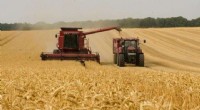
* Agricultural Land: While much of the region is arid or semi-arid, there are pockets of fertile land suitable for agriculture. This land is used to grow crops like wheat, barley, dates, and citrus fruits. However, water scarcity and desertification are major challenges for agriculture.
Key Points to Consider:
* Resource Distribution: The uneven distribution of resources within the region has created tensions, with some countries like Saudi Arabia and the UAE being oil-rich, while others like Yemen and Lebanon struggle with poverty and resource scarcity.
* Environmental Impacts: The extraction and use of natural resources, particularly oil and gas, have significant environmental impacts, including pollution, habitat destruction, and climate change.
* Political and Economic Power: The control of resources, particularly oil, has been a major factor in shaping the region's political landscape and economic development.
It's crucial to understand the complex interplay between natural resources, politics, and the environment in Southwest Asia to have a comprehensive view of the region's challenges and opportunities.