Natural barriers are physical features of the Earth that act as obstacles, separating different areas and influencing how people, animals, and plants move. They can be broadly categorized as follows:
1. Geographic Features:
* Mountains: Massive landforms with significant elevation differences create natural barriers to movement and often impact climate patterns. Examples: Himalayas, Andes, Rockies.
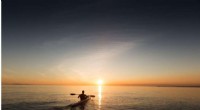
* Oceans & Seas: Large bodies of water create significant barriers for land-based creatures. Islands are separated by oceans, and coastal areas are often influenced by the sea's presence.
* Deserts: Large, arid regions with limited water and extreme temperatures present challenges to travel and inhabitation. Examples: Sahara Desert, Arabian Desert, Atacama Desert.
* Rivers: Large flowing bodies of water can act as barriers to movement, especially for land animals. They can also form natural boundaries between regions. Example: Amazon River, Nile River, Mississippi River.
* Forests: Dense, heavily forested areas can be challenging to navigate, acting as a barrier to travel and development. Examples: Amazon Rainforest, Congo Basin, Siberian Forests.
* Ice and Glaciers: Large ice sheets and glaciers can cover vast areas and block movement, making travel and settlement challenging. Examples: Greenland Ice Sheet, Antarctic Ice Sheet.
2. Climate Barriers:
* Extreme temperatures: Extreme heat or cold can limit the survival and movement of organisms.
* Rainfall patterns: Regions with high or low rainfall can influence plant and animal life, creating distinct ecosystems and barriers to movement.
3. Biotic Barriers:
* Predator-prey relationships: The presence of predators can limit the movement of prey species, creating natural barriers within ecosystems.
* Competition for resources: When species compete for limited resources, they may be unable to move into areas occupied by dominant species.
4. Geological Barriers:
* Canyons: Deep, narrow valleys with steep sides can be difficult to traverse, creating barriers to movement. Example: Grand Canyon.
* Volcanoes: Active volcanoes and their surrounding areas can pose significant risks to life and act as barriers to movement.
5. Other Barriers:
* Disease outbreaks: Outbreaks of diseases can create temporary barriers to movement, restricting travel and interaction between populations.
* Natural disasters: Events like earthquakes, floods, and wildfires can cause significant damage and disrupt travel, creating temporary or permanent barriers.
These natural barriers play a crucial role in shaping the distribution of species, influencing human settlement patterns, and impacting cultural development throughout history. They are a constant factor in how life evolves and thrives on Earth.