In Nature:
* Biodiversity: Different species of plants, animals, fungi, bacteria, etc., living in a particular ecosystem. This includes variations within species, like different breeds of dogs or types of trees.
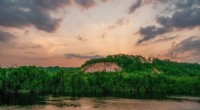
* Ecosystems: Different environments like rainforests, deserts, coral reefs, and oceans, each with its unique set of plants and animals.
* Geological Diversity: Different rock formations, landforms, and geographical features like mountains, valleys, and rivers.
In Human Societies:
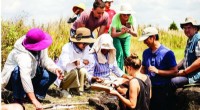
* Culture: Different languages, religions, traditions, customs, and values found across the world.
* Ethnicity: Different racial and ethnic groups with unique histories, heritages, and physical characteristics.
* Gender Identity and Expression: Different ways people identify and express their gender, beyond the traditional binary of male and female.
* Sexuality: Different orientations and preferences regarding romantic and sexual attraction.
* Social Class: Different socioeconomic backgrounds, levels of income, and access to resources.
* Ability and Disability: Different physical and cognitive abilities, and various experiences with disability.
* Age: Different life stages and experiences associated with different age groups.
* Political Beliefs: Different ideologies and perspectives on how society should be organized.
Beyond these examples, diversity is also present in:
* Ideas: Different thoughts, opinions, and perspectives on various issues.
* Creativity: Different artistic styles, forms of expression, and approaches to problem-solving.
* Innovation: Different technologies, approaches to innovation, and solutions to problems.
It's important to remember: Diversity is not just about celebrating differences, but also about creating inclusive environments where everyone feels valued and respected.