1. Physical Barriers:
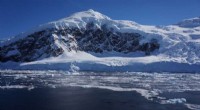
* Mountains: Mountain ranges act as natural barriers, isolating populations and promoting distinct evolutionary paths. This can lead to differences in species, languages, and cultures on either side of the mountain.
* Oceans and Seas: Large bodies of water can also isolate populations, fostering unique adaptations and cultural developments. Islands often exhibit high levels of endemism, meaning they have unique species found nowhere else.
* Deserts and Forests: These biomes create distinct environments that favor specific adaptations. This can lead to differences in flora, fauna, and even human cultures that develop around the resources available in each environment.
2. Climate and Weather:
* Temperature: Different temperature zones support different types of plant and animal life, leading to variations in ecosystems and the evolution of distinct species.
* Rainfall: Areas with high rainfall often have lush vegetation and diverse ecosystems, while drier regions support different types of plant and animal life.
* Sunlight: The amount of sunlight available influences plant growth and the types of animals that can thrive in a region, impacting biodiversity.
3. Resource Availability:
* Water: Access to fresh water is essential for all life. Regions with limited water resources often have lower biodiversity than areas with abundant water.
* Food: The availability of food sources influences the types of animals that can live in a region and their adaptations.
* Nutrients: Soil fertility and nutrient availability impact the growth of plants, which in turn supports a diverse range of organisms.
4. Human Impact:
* Migration Patterns: Human migration has historically played a significant role in spreading culture, language, and genetic diversity across the globe.
* Land Use: Deforestation, urbanization, and agriculture can all reduce biodiversity by destroying habitats and fragmenting ecosystems.
* Climate Change: Changing climate patterns can shift species ranges, disrupt ecosystems, and threaten biodiversity.
Examples:
* The Galapagos Islands: The unique geographical isolation of these islands led to the evolution of distinct species, famously studied by Charles Darwin.
* The Amazon Rainforest: The vast and diverse Amazon rainforest is a prime example of how geography influences biodiversity, with its rich mix of plants, animals, and indigenous cultures.
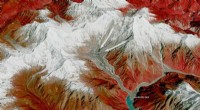
* The Himalayas: The towering Himalayas have created distinct cultural and linguistic groups on either side of the mountain range.
Conclusion:
Geography plays a critical role in shaping diversity, influencing species evolution, cultural development, and the distribution of ecosystems. Understanding the influence of geography is crucial for protecting biodiversity and managing environmental resources.