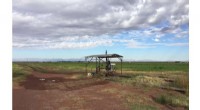
Landforms:
* Sand dunes: Shifting hills of sand.
* Mountains: Rock formations rising from the desert floor.
* Canyons: Deep, narrow valleys carved by erosion.
* Plateaus: Elevated, flat areas of land.
* Buttes: Isolated, steep-sided hills.
* Mesas: Flat-topped hills with steep sides.
* Oases: Areas of vegetation around water sources.
Geological Features:
* Rocks: Igneous, sedimentary, and metamorphic rock formations.
* Minerals: Various types of minerals like quartz, feldspar, and iron oxide.
* Soil: Usually dry and sandy, with low organic matter.
* Fossil: Remains of ancient organisms preserved in rock.
Weather and Climate:
* Sun: The primary source of heat and light in a desert.
* Wind: Powerful winds that can sculpt the landscape and cause sandstorms.
* Rain: Rare and infrequent, often in short, intense bursts.
* Heat: Extreme temperatures, especially during the day.
* Light: Strong, intense sunlight, reflecting off sand and rocks.
Human-Made Structures:
* Roads: Connecting settlements and resource extraction sites.
* Buildings: Settlements, research facilities, and infrastructure.
* Fences: For controlling livestock and protecting property.
* Dunes: Sand dunes modified for off-road driving or recreation.
Other:
* Dust: Fine particles of sand and soil blown by the wind.
* Sand: The dominant material of many deserts.
* Light: The sun's rays, often intense and reflecting off sand and rock.
* Air: Usually very dry and thin.
* Sounds: Wind whistling through canyons, sand shifting underfoot.
This list provides a starting point, but remember that the desert is a complex and dynamic environment with countless non-living elements.