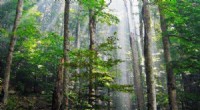
* The Canopy is Dense: The rainforest canopy is incredibly thick, blocking out most sunlight from reaching the forest floor. This limits the amount of vegetation that can grow.
* Competition for Resources: The rainforest floor is a highly competitive environment. Trees compete for sunlight, nutrients, and water. This competition makes it difficult for small plants to establish themselves and thrive.
* Rapid Decomposition: The warm, humid climate of the rainforest accelerates the decomposition of organic matter. This means that fallen leaves, branches, and other plant material break down quickly, leaving little for new plants to feed on.
* Limited Nutrients: While there are many nutrients in the rainforest, they are mostly locked up in the living biomass of the trees and vines. The soil itself is often poor in nutrients.
* Animal Activity: The rainforest floor is home to a vast array of animals, including insects, snakes, and mammals. These animals can trample on seedlings and prevent them from growing.
What you might see: While it may not be as densely vegetated as other ecosystems, the rainforest floor still has:
* Saplings and Seedlings: These are young trees that are waiting for their chance to grow into the canopy.
* Epiphytes: These are plants that grow on other plants, such as orchids and ferns. They get their nutrients from the air and rainwater, and don't need to rely on the soil.
* Fungus and Mosses: These organisms thrive in the dark, humid environment of the rainforest floor.
* Decomposition: Fallen leaves, branches, and other organic matter are rapidly decomposed by fungi and bacteria.
It's important to remember: While the rainforest floor may not be as lush as the canopy, it is still a vital part of the ecosystem. It provides a habitat for many animals, and plays an important role in the recycling of nutrients.