The savanna, a vast grassland ecosystem dotted with scattered trees, presents a unique challenge for its inhabitants. It offers abundant sunshine and open space but experiences periods of intense heat, drought, and fires. To thrive, vegetation and animals have developed remarkable adaptations to cope with these conditions:
Vegetation Adaptations:
* Deep Roots: Many savanna grasses have deep roots that tap into underground water reserves, allowing them to survive during dry periods. This also helps them quickly re-sprout after fires, as their roots remain unharmed.
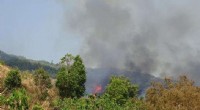
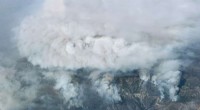
* Fire Resistance: Savanna grasses are well adapted to fire. Some species have thick, fire-resistant bark, while others have seeds that germinate only after being exposed to heat. Fires clear out dead vegetation and encourage new growth, creating a mosaic of diverse vegetation.
* Drought Tolerance: Trees like baobab and acacia have developed thick, water-storing trunks and branches. Their leaves are often small and hairy, minimizing water loss through transpiration.
* Thorns and Spines: Many plants, like acacia trees, use thorns to protect themselves from herbivores, ensuring they have enough leaves for growth and reproduction.
Animal Adaptations:
* Migration: Large herbivores like zebras, wildebeest, and gazelles migrate long distances in search of fresh grazing areas, following seasonal rainfall patterns.
* Water Conservation: Animals like elephants and rhinoceroses have large body sizes that help them regulate their temperature, while smaller animals like gazelles and meerkats are active during the cooler morning and evening hours.
* Burrowing: Many small animals, such as aardvarks and meerkats, burrow underground to escape the harsh sun and predators.
* Nocturnal Activity: Some predators, like lions and hyenas, are nocturnal, hunting during the cooler nights when prey is more active.
* Social Behavior: Savanna animals have developed intricate social structures for cooperation and defense. For example, zebras and wildebeest travel in large herds, providing safety in numbers against predators.
Symbiosis and Competition:
* Symbiosis: The relationship between acacia trees and ants is a classic example of symbiosis. Ants protect the trees from herbivores and other insects, while the tree provides food and shelter for the ants.
* Competition: Competition for resources, like water and food, is fierce in the savanna. Predators compete for prey, while herbivores compete for grazing areas.
Human Impact:
* Climate Change: Savanna ecosystems are vulnerable to climate change. Increasing temperatures and erratic rainfall patterns can disrupt delicate ecological balances.
* Overgrazing: Overgrazing by livestock can degrade savanna vegetation and disrupt the delicate balance of the ecosystem.
* Habitat Loss: Human activities, such as agriculture and urbanization, are leading to the loss of savanna habitats, reducing biodiversity and putting many species at risk.
In Conclusion:
Savanna ecosystems are characterized by a delicate balance between abundance and scarcity. Both vegetation and animals have developed fascinating adaptations to thrive in this challenging environment. However, human activities are impacting these ecosystems, threatening their biodiversity and long-term sustainability. It is essential to understand the intricacies of these adaptations and take action to protect this remarkable ecosystem for future generations.