Habitat Loss and Degradation:
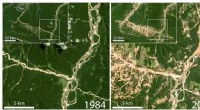
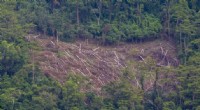
* Deforestation: Clearing forests for agriculture, logging, and urbanization destroys habitats and disrupts ecosystems.
* Land Conversion: Transforming natural areas into farmland, urban areas, and infrastructure reduces habitat availability for wildlife.
* Pollution: Air, water, and soil pollution from industrial activities, agriculture, and waste disposal contaminates ecosystems and harms species.
* Invasive Species: Introduction of non-native species disrupts ecosystems, outcompeting native species for resources and altering food webs.
Overexploitation:
* Overfishing: Harvesting fish populations faster than they can replenish leads to depletion and ecosystem disruption.
* Overhunting and Poaching: Illegal hunting and poaching of endangered species for their meat, organs, or other valuable products pushes them closer to extinction.
* Unsustainable Harvesting: Overharvesting of plants and animals for medicinal purposes, food, or other products can deplete populations and disrupt ecosystems.
Climate Change:
* Global Warming: Rising temperatures, altered precipitation patterns, and extreme weather events disrupt ecosystems, leading to shifts in species distribution and habitat loss.
* Ocean Acidification: Increased absorption of carbon dioxide by oceans reduces pH levels, harming marine organisms with calcium carbonate shells.
Other Threats:
* Pollution: Chemical pollution from pesticides, herbicides, and industrial waste can harm and kill wildlife.
* Light and Noise Pollution: Artificial light and noise can disrupt animal behavior, migration patterns, and breeding cycles.
* Disease Transmission: The spread of pathogens, often facilitated by human activities, can decimate wildlife populations.
Consequences:
* Loss of Ecosystem Services: Biodiversity is essential for providing crucial services such as pollination, water filtration, and climate regulation. Loss of biodiversity disrupts these services, impacting human well-being.
* Economic Impacts: Biodiversity supports industries such as agriculture, forestry, fisheries, and tourism. Its loss can result in economic decline.
* Ethical Considerations: Biodiversity represents the diversity of life on Earth, and its conservation is a moral imperative.
Addressing the Threats:
* Conservation efforts: Protecting habitats, establishing protected areas, and managing populations are crucial for conserving biodiversity.
* Sustainable Practices: Implementing sustainable agriculture, forestry, and fishing practices can minimize impacts on biodiversity.
* Climate Action: Reducing greenhouse gas emissions and mitigating climate change are vital for protecting biodiversity.
* Raising Awareness: Educating the public about the importance of biodiversity and the threats it faces is essential for fostering support for conservation efforts.
By recognizing the threats to biodiversity and taking action to mitigate them, we can protect this vital resource for future generations.