The distribution and types of vegetation across the globe are influenced by a complex interplay of factors. Here are some of the most important ones:
1. Climate:
* Temperature: Different plant species have specific temperature tolerances. Warm temperatures support tropical rainforests, while cold temperatures favor tundra vegetation.
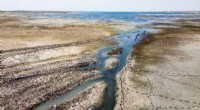
* Precipitation: Water availability is crucial. High rainfall leads to lush forests, while arid conditions support deserts and grasslands.
* Sunlight: Plants require sunlight for photosynthesis. Shaded areas support different vegetation than open, sunny areas.
2. Topography:
* Elevation: Higher elevations have lower temperatures and different plant communities.
* Slope: Slope affects sunlight exposure and drainage, influencing plant growth.
* Aspect: The direction a slope faces influences sunlight exposure, which affects temperature and vegetation types.
3. Soil:
* Nutrients: Soil fertility dictates plant growth. Rich soils support lush forests, while nutrient-poor soils may support less diverse vegetation.
* Water-holding capacity: Different soil types hold varying amounts of water, influencing plant survival.
* pH: Soil acidity or alkalinity affects nutrient availability and plant growth.
4. Biotic Factors:
* Herbivory: Grazing animals can significantly impact plant communities, affecting their composition and abundance.
* Competition: Plants compete for resources like sunlight, water, and nutrients, influencing species dominance.
* Disease and Pests: Disease and pests can decimate populations of specific plants, impacting vegetation patterns.
5. Human Activities:
* Land use: Agriculture, urbanization, and deforestation significantly alter vegetation cover and composition.
* Pollution: Air and water pollution can negatively impact plant growth and survival.
* Climate change: Shifting temperatures and precipitation patterns can disrupt plant communities and lead to species displacement.
6. Disturbances:
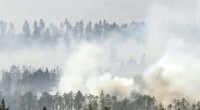
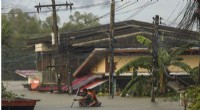
* Natural disturbances: Wildfires, floods, and volcanic eruptions can reset vegetation patterns.
* Human-induced disturbances: Logging, mining, and other activities can cause significant changes in vegetation.
Interplay of Factors:
It's important to note that these factors are interconnected and often work in concert. For example, climate directly influences soil development, which in turn affects vegetation. Human activities can modify climate, impacting vegetation indirectly.
Understanding these factors is crucial for managing ecosystems, predicting vegetation change, and ensuring biodiversity conservation.