1. Spatial Perspective:
Geography is fundamentally concerned with *where* things are located and *why* they are located there. This spatial perspective allows geographers to analyze patterns, relationships, and processes across space.
2. Interdisciplinarity:
Geography draws on knowledge from a wide range of disciplines, including:
* Physical Sciences: geology, climatology, meteorology
* Social Sciences: sociology, anthropology, political science, economics
* Humanities: history, literature, art
This allows geographers to tackle complex problems from multiple perspectives, offering a more comprehensive understanding.
3. Human-Environment Interaction:
Geography investigates the complex and dynamic relationship between humans and their environment. This focus highlights the interconnectedness of human activities and natural systems, leading to an understanding of environmental issues like climate change, resource management, and urbanization.
4. Scale and Context:
Geography explores phenomena at various spatial scales, from local to global. This allows for a nuanced understanding of how processes at different scales interact and influence each other. For example, understanding the local impacts of global climate change or the influence of national policies on regional development.
5. Data Analysis and Visualization:
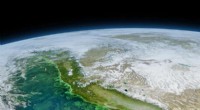
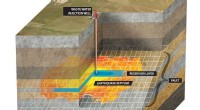
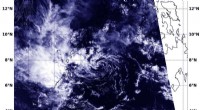
Geography utilizes a wide range of data analysis and visualization tools, including Geographic Information Systems (GIS), remote sensing, and spatial statistics. This enables geographers to analyze complex spatial patterns and present information in meaningful ways.
6. Practical Applications:
Geography has numerous practical applications in various fields:
* Environmental Management: conservation, disaster planning, resource management
* Urban Planning: city design, transportation systems, infrastructure development
* Business and Marketing: location analysis, market segmentation, logistics
* International Development: aid distribution, resource allocation, conflict resolution
In Summary:
Geography's unique perspective, interdisciplinary approach, focus on human-environment interaction, multi-scale analysis, data-driven methods, and practical applications make it a vital discipline for understanding and addressing the complex challenges facing the world today.