Key Areas of Focus:
* Ecology: The study of how organisms interact with each other and their surroundings.
* Environmental Science: The study of how human activities affect the environment.
* Biology: The study of living organisms.
* Chemistry: The study of the composition and properties of matter.
* Physics: The study of the fundamental laws of nature.
* Geography: The study of the Earth's surface and its features.
What Ecosystem Scientists Do:
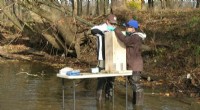
* Research: They conduct field and laboratory experiments to understand the relationships between living organisms and their environment.
* Data Analysis: They analyze data collected from their research to identify patterns and trends.
* Modeling: They use computer models to simulate how ecosystems function and respond to changes.
* Conservation: They work to protect and manage ecosystems.
* Education and Outreach: They teach others about ecosystems and the importance of conservation.
* Policy Development: They provide scientific information to policymakers to inform decisions about environmental protection.
Examples of Ecosystem Science Research:
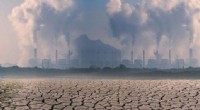
* The impact of climate change on biodiversity
* The effects of pollution on water quality
* The role of forests in regulating the climate
* The dynamics of food webs in different ecosystems
Why Ecosystem Science is Important:
* Understanding the Earth's interconnected systems: Ecosystems are complex and interconnected, and understanding their dynamics is crucial for managing the environment.
* Protecting biodiversity: Ecosystems provide essential services for humans, such as clean air and water, and protecting them is vital for the well-being of the planet.
* Developing sustainable solutions: Ecosystem scientists are working to find ways to use resources sustainably and minimize our impact on the environment.
In essence, ecosystem scientists play a critical role in understanding and protecting the natural world, helping us to build a more sustainable future.