1. Lack of Fuel:
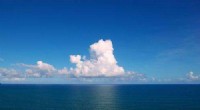
* Warm Ocean Water: Hurricanes are fueled by the heat and moisture released from warm ocean water. When they move over land, they lose access to this vital energy source.
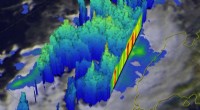
* Convection: The warm, moist air rises within the storm, creating a cycle of rising air and downdrafts. Over land, this convection is disrupted by the lack of moisture and cooler temperatures.
2. Friction:
* Terrain: Land surfaces are rougher than ocean surfaces. This friction slows down the winds, which reduces the intensity of the storm.
* Buildings and Trees: Structures like buildings and trees further increase friction and disrupt the flow of air within the hurricane.
3. Lack of Moisture:
* Evaporation: Hurricanes draw their moisture from the ocean. Over land, the air becomes drier, reducing the amount of moisture available for the storm to sustain itself.
* Precipitation: As the storm moves inland, its rain is no longer being replenished by evaporation from the ocean. This leads to a decrease in precipitation and overall storm intensity.
4. Cooling:
* Land Temperature: Land surfaces cool down much faster than ocean water. As the storm moves over land, it encounters cooler temperatures, which weakens the convection and reduces the storm's power.
5. Shear:
* Wind Shear: Wind shear is a change in wind speed or direction with height. Over land, wind shear can be more pronounced, tearing apart the hurricane's structure and weakening it.
In summary: Hurricanes are like engines that require a constant supply of fuel (warm ocean water) to maintain their power. When they hit land, they lose access to this fuel, encounter friction, experience a decrease in moisture, and face cooling temperatures, all of which contribute to their weakening.