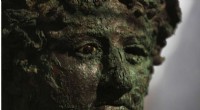
1. Archaeological Remains:
* Artifacts: Tools, weapons, pottery, jewelry, and other objects used by ancient people provide insights into their technology, culture, and daily life.
* Structures: Buildings, houses, temples, and other structures reveal information about their architectural skills, social organization, and religious beliefs.
* Burials: Grave goods, burial practices, and skeletal remains offer clues about their beliefs, social status, and health.
2. Genetic Analysis:
* DNA from skeletal remains: Studying ancient DNA can reveal ancestral lineages, migration patterns, and genetic relationships between populations.
* Ancient DNA from artifacts: DNA can sometimes be extracted from objects like hair combs or pottery, providing additional insights into the people who used them.
3. Linguistic Evidence:
* Language families: Comparing ancient languages helps reconstruct the origins and spread of different language groups.
* Borrowed words and linguistic innovations: Linguistic evidence can reveal cultural contact and exchange between different groups.
4. Environmental Data:
* Paleoclimate studies: Analyzing geological and fossil records helps understand the environment ancient people lived in and how it may have influenced their survival strategies.
* Plant and animal remains: The types of plants and animals found in archaeological sites provide insights into diet, agriculture, and resource management.
5. Written Records:
* Inscriptions and texts: When available, ancient writings offer firsthand accounts of history, culture, and beliefs.
* Papyrus, clay tablets, and other writing materials: These records provide valuable information about ancient societies.
These diverse approaches combined allow scientists to piece together a comprehensive understanding of ancient peoples, their origins, and their way of life.