1. Ice Cores: By drilling deep into glaciers and ice sheets, scientists can extract ice cores. These cores contain layers of ice that have built up over thousands or even millions of years. The trapped air bubbles within the ice provide a snapshot of the atmosphere at the time the ice formed, including the composition of gases like carbon dioxide and methane. Scientists can also analyze the isotopes of water in the ice, which reveals information about the temperature at the time.
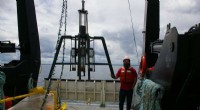
2. Sediment Cores: By extracting sediment cores from the ocean floor or lakebeds, scientists can analyze the fossilized remains of plants and animals, as well as the chemical composition of the sediment. These cores provide a record of the types of organisms that lived in the area, the climate conditions they thrived in, and the changes that occurred over time. For example, the presence of certain types of pollen can indicate past vegetation patterns, which can be used to infer past climate conditions.