Environmental Issues:
* Climate Change: The causes, effects, and potential solutions to climate change. This could include research on greenhouse gases, sea level rise, extreme weather events, and mitigation strategies.
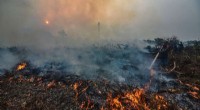
* Pollution: Air, water, and soil pollution from various sources, including industrial waste, agricultural runoff, and vehicle emissions. This could involve studying the impact of pollutants on ecosystems and human health, and developing strategies for pollution control.
* Biodiversity Loss: The decline in species diversity, habitat destruction, and the implications for ecosystem stability and human well-being. This could involve research on conservation strategies, habitat restoration, and the management of endangered species.
* Resource Management: Sustainable use and management of natural resources like water, forests, and minerals. This could include topics like water conservation, forest management, and the development of renewable energy sources.
* Environmental Impact Assessment: The evaluation of the potential environmental consequences of projects and developments, such as dams, roads, and mining operations. This could involve the use of ecological modeling, risk assessment, and public participation.
* Environmental Justice: The fair treatment and meaningful involvement of all people in environmental decision-making, regardless of race, ethnicity, or socioeconomic status. This could involve studying the disproportionate impact of environmental hazards on marginalized communities and advocating for policies that promote environmental equity.
Research and Methodology:
* Environmental Monitoring and Data Analysis: Collecting, analyzing, and interpreting data about environmental conditions using various methods, including remote sensing, geographic information systems (GIS), and statistical analysis.
* Environmental Modeling: Using computer simulations to understand and predict environmental processes, such as climate change, pollution dispersion, and ecosystem dynamics.
* Field Research: Conducting research in natural environments, collecting samples, and observing environmental phenomena.
Other Areas:
* Environmental Policy and Regulation: The development and implementation of environmental laws, regulations, and policies.
* Environmental Education and Communication: Educating the public about environmental issues and promoting environmentally responsible behaviors.
* Environmental Technology: Developing and applying innovative technologies to address environmental problems.
Ultimately, the specific interests of an environmental scientist will depend on their individual background, training, and career goals. However, the topics listed above provide a good starting point for understanding the broad scope of the field.