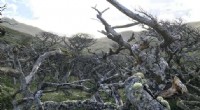
1. Dominant Tree Species: Deciduous forests are characterized by trees that lose their leaves seasonally, typically in autumn. Common species include:
* Oak: Various species like Red Oak, White Oak, and Burr Oak.
* Maple: Sugar Maple, Red Maple, Silver Maple.
* Beech: American Beech.
* Birch: Yellow Birch, Paper Birch.
* Ash: White Ash, Green Ash.
* Hickory: Shagbark Hickory, Pignut Hickory.
2. Climate: Deciduous forests thrive in temperate climates with:
* Four distinct seasons: Warm summers and cold winters.
* Moderate precipitation: Typically 30-60 inches of rain per year.
* Moderate sunlight: Canopy cover allows some sunlight to reach the forest floor.
3. Leaf Litter: Deciduous forests have a thick layer of fallen leaves on the forest floor, which provides:
* Organic matter: Decomposing leaves enrich the soil with nutrients.
* Habitat: Provides shelter and food for insects, fungi, and other small creatures.
* Moisture retention: Helps regulate soil moisture levels.
4. Biodiversity: Deciduous forests are rich in biodiversity, hosting a wide range of:
* Animals: Deer, squirrels, rabbits, birds, amphibians, reptiles.
* Plants: Flowers, ferns, mosses, grasses, shrubs.
* Fungi: Mushrooms, toadstools, and other fungi.
5. Canopy Structure: Deciduous forests have a layered canopy structure with:
* Upper canopy: The tallest trees forming a dense roof.
* Understory: Smaller trees and shrubs growing beneath the canopy.
* Forest floor: The ground layer with fallen leaves, grasses, and other plants.
6. Seasonal Changes: Deciduous forests exhibit dramatic seasonal changes:
* Spring: New leaves emerge, flowers bloom, and animals are active.
* Summer: Trees reach their peak growth, and the forest is lush and green.
* Autumn: Leaves change color and fall to the ground.
* Winter: Trees are bare, and many animals are dormant or migrate.
7. Soil Characteristics: Deciduous forest soils are typically:
* Fertile: Rich in organic matter due to leaf litter decomposition.
* Well-drained: Allowing for good aeration and water flow.
* Neutral to slightly acidic: Depending on the specific location and tree species.
8. Importance: Deciduous forests play vital roles:
* Carbon sequestration: Absorbing carbon dioxide from the atmosphere.
* Water purification: Filtering and regulating water flow.
* Habitat: Providing homes for numerous species.
* Economic resources: Timber, food products, and recreational opportunities.
It's important to remember that there is great diversity within deciduous forests, and the specific characteristics may vary depending on location, climate, and tree species.