Here's a simplified explanation:
* Evolution by Natural Selection: This theory, proposed by Charles Darwin, explains how life on Earth has changed over millions of years. It states that individuals with traits that help them survive and reproduce in their environment are more likely to pass on those traits to their offspring. Over many generations, this process leads to gradual changes in species, eventually resulting in the diversity of life we see today.
* Human Evolution: Humans are part of the animal kingdom, specifically primates. Fossil evidence suggests that early hominids (human ancestors) evolved in Africa millions of years ago. Over time, these hominids developed characteristics like bipedalism (walking on two legs), larger brains, and the ability to use tools.
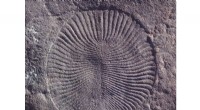
* Common Ancestor: Humans share a common ancestor with other primates, and ultimately with all living things. This ancestor was likely a simple, single-celled organism that lived billions of years ago.
It's important to note:
* Scientific vs. Religious Beliefs: The theory of evolution is a scientific explanation based on evidence. Religious beliefs about creation are separate from scientific explanations.
* Ongoing Research: Science is constantly evolving. Scientists are still uncovering new information about human evolution, refining our understanding of our origins.
If you'd like to learn more about human evolution, I recommend checking out resources from reputable organizations like the Smithsonian National Museum of Natural History or the American Museum of Natural History.