1. We all share the planet:
Whether you're a doctor, a teacher, or an artist, you live on Earth. Environmental issues affect us all, from clean air and water to food security and climate change. Understanding these challenges allows us to make informed decisions about our own lives and advocate for positive change.
2. Environmental issues impact everyday life:
Rising sea levels, extreme weather events, and resource scarcity are not abstract concepts. They have tangible impacts on our daily lives, from the cost of food and energy to the availability of clean water and the security of our homes.
3. Informed citizens make informed decisions:
Environmental knowledge empowers us to make conscious choices as consumers, voters, and community members. We can support sustainable businesses, advocate for environmentally sound policies, and contribute to solutions that address environmental challenges.
4. Building a sustainable future:
Addressing environmental problems requires collective effort. Every individual can contribute to a more sustainable future through responsible consumption, waste reduction, and advocacy for policy changes.
5. Ethical responsibility:
We have a moral obligation to care for the planet and future generations. Environmental awareness fosters a sense of responsibility for the health of our planet and the well-being of all living beings.
6. Better decision-making:
Understanding environmental issues helps us make better decisions about our health, finances, and well-being. For example, knowledge of air pollution levels can help us make informed decisions about outdoor activities or purchasing electric vehicles.
7. Appreciation for nature:
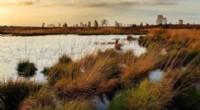
Environmental education cultivates an appreciation for the beauty and complexity of the natural world, fostering a sense of wonder and inspiring us to protect it.
In conclusion, environmental awareness is not just for scientists. It is essential for everyone to be informed, engaged, and responsible citizens who contribute to building a sustainable future.