Here's why water conservation is important:
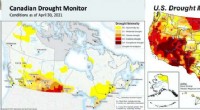
1. Water Scarcity: While Earth may be covered by a large amount of water, many regions around the world face water scarcity. This is due to factors such as population growth, climate change, pollution, increasing water demand for industrial and agricultural purposes, and uneven distribution of water resources. Conserving water helps ensure that there is enough water available to meet the needs of both humans and the environment.
2. Energy Conservation: Water conservation can also help conserve energy. Treating, pumping, and transporting water requires significant amounts of energy. By reducing water use, we can save energy and reduce our carbon footprint.
3. Reducing Water Treatment Costs: Water treatment and purification processes can be expensive, and conserving water means less water needs to be treated, which can save money and resources.
4. Protecting Ecosystems: Freshwater ecosystems, such as lakes, rivers, and wetlands, are vital for supporting a wide variety of plant and animal species. Conserving water helps maintain the health of these ecosystems and preserve biodiversity.
5. Climate Change Mitigation: Water conservation measures, such as rainwater harvesting and greywater reuse, can help reduce the amount of runoff and pollution entering waterways. This can have positive impacts on the climate by reducing the release of greenhouse gases and protecting marine ecosystems.
6. Future Sustainability: As population growth continues and water resources become increasingly strained, water conservation practices will become even more crucial for ensuring the sustainable management and availability of freshwater for future generations.
Therefore, despite the large portion of water on our planet, water conservation is essential for managing and protecting our limited freshwater resources. It helps ensure the long-term sustainability of water supplies, ecosystems, and human well-being.