Wildfires
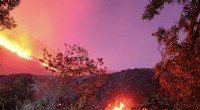
Wildfires are uncontrolled fires that burn in natural areas, such as forests, grasslands, and shrublands. They can be caused by a variety of factors, including:
* Lightning: Lightning strikes are a common cause of wildfires, especially during dry seasons.
* Human activity: Human activities, such as campfires, discarded cigarettes, and arson, can also spark wildfires.
* Droughts: Droughts can dry out vegetation, making it more susceptible to burning.
* High winds: High winds can fan the flames of wildfires, causing them to spread more quickly.
Wildfires can have a number of negative impacts, including:
* Loss of habitat: Wildfires can destroy forests and other natural areas, which can displace animals and plants.
* Air pollution: Wildfires release harmful pollutants into the air, which can contribute to respiratory problems and other health issues.
* Erosion: Wildfires can damage the soil, making it more susceptible to erosion.
* Property damage: Wildfires can also destroy homes and other structures.
Dust Storms
Dust storms are large clouds of dust that are lifted into the atmosphere by strong winds. They can be caused by a variety of factors, including:
* Droughts: Droughts can dry out the soil, making it more susceptible to being picked up by the wind.
* High winds: High winds can lift dust particles into the air, creating a dust storm.
* Land degradation: Land degradation, such as deforestation and overgrazing, can remove vegetation that helps to hold the soil in place, making it more vulnerable to erosion by the wind.
Dust storms can have a number of negative impacts, including:
* Reduced visibility: Dust storms can reduce visibility, making it dangerous to drive or travel.
* Air pollution: Dust storms can release harmful pollutants into the air, which can contribute to respiratory problems and other health issues.
* Property damage: Dust storms can damage crops, homes, and other structures.
Human Behavior and Wildfires/Dust Storms
Human behavior can play a role in the occurrence and severity of wildfires and dust storms. For example, human activities such as deforestation and overgrazing can contribute to land degradation, which can make an area more susceptible to dust storms. Additionally, human activities such as campfires and discarded cigarettes can spark wildfires.
It is important to be aware of the potential risks of wildfires and dust storms, and to take steps to prevent them. For example, people should avoid starting campfires in dry areas, and should properly dispose of cigarettes. Additionally, people should be aware of the weather forecast and take precautions when dust storms or wildfires are predicted.