1. Hydrologic Cycle (Water Cycle):
- The hydrologic cycle is a continuous process that involves the exchange of water between the Earth's surface, atmosphere, and groundwater reservoirs.
- Water evaporates from oceans, lakes, rivers, and other water bodies into the atmosphere.
- In the atmosphere, water vapor cools and condenses into clouds.
- Clouds eventually release precipitation in the form of rain, snow, sleet, or hail.
- Precipitation falls onto the Earth's surface and can infiltrate the ground, become surface runoff, or be collected in bodies of water.
2. Magmatic and Volcanic Processes:
- Water can be released during volcanic eruptions as volcanic steam or ash clouds.
- Magma, which is molten rock beneath the Earth's surface, contains dissolved gases and volatiles, including water vapor.
- During volcanic eruptions, these gases are released, and water vapor condenses to form water.
3. Subduction and Metamorphism:
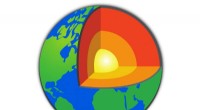
- Subduction is the process by which one tectonic plate moves beneath another into the Earth's mantle.
- As the subducting plate descends, it encounters increased pressure and temperature.
- Rocks on the subducting plate may undergo metamorphism, releasing water molecules that contribute to the formation of magma and eventually lead to volcanic eruptions.
4. Condensation and Precipitation:
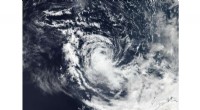
- When warm, moist air rises in the atmosphere, it cools and condenses, forming clouds.
- As clouds accumulate enough moisture, they release precipitation in the form of rain, snow, sleet, or hail.
- Precipitation contributes to the replenishment of water bodies and groundwater reservoirs.
5. Deposition and Melting of Snow and Ice:
- Snow and ice can accumulate in polar regions and high mountain environments.
- Over time, snow can compact and transform into ice sheets, glaciers, and ice caps.
- As temperatures rise, snow and ice melt, releasing water into rivers, lakes, and oceans.
6. Photolysis in the Upper Atmosphere:
- Ultraviolet radiation from the sun can split water molecules in the upper atmosphere through a process called photolysis.
- This process contributes to the formation of hydrogen and oxygen atoms, which can recombine to form water molecules.
These processes ensure the continuous cycling and replenishment of water on Earth, sustaining life and maintaining the planet's ecosystems.