The presence of an atmosphere significantly influences a planet's climate and weather patterns. The atmosphere acts as a buffer, regulating temperature and distributing heat around the globe. Here are some key impacts:
1. Greenhouse Effect: The atmosphere contains gases like carbon dioxide (CO2) and methane (CH4), which trap heat from the sun. This phenomenon, known as the greenhouse effect, helps maintain the planet's temperature suitable for life.
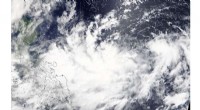
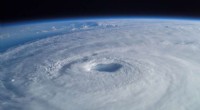
2. Weather Systems: The atmosphere facilitates the movement of air masses, resulting in weather systems like storms, rainfall, and winds. These patterns distribute heat and moisture across different regions, shaping local climates.
3. Temperature Regulation: The atmosphere acts as an insulating layer, preventing rapid heat loss during the night. This helps maintain relatively stable temperatures on the planet's surface.
4. Atmospheric Pressure: The weight of the atmosphere creates pressure, which affects weather patterns and climate conditions. High and low-pressure systems influence wind direction, cloud formation, and precipitation.
5. Hydrological Cycle: The atmosphere plays a crucial role in the water cycle, regulating the movement and distribution of water on Earth. It facilitates evaporation, condensation, and precipitation, driving the continuous cycle of water between land, oceans, and the atmosphere.
6. Sunlight Distribution: The atmosphere scatters and reflects sunlight, determining the intensity and duration of daylight in different regions. This variation affects temperature patterns and influences the distribution of plant and animal life.
7. Ozone Layer: The upper atmosphere contains an ozone layer that absorbs harmful ultraviolet (UV) radiation from the sun. This protective shield safeguards life on Earth from harmful radiation.
Impact of Atmosphere on Tides:
While the atmosphere's influence on tides is relatively small compared to the gravitational forces of the moon and sun, it still plays a role in modifying tidal patterns.
1. Atmospheric Pressure: Changes in atmospheric pressure can affect the water levels in coastal areas, influencing the height of tides. Low atmospheric pressure can lead to higher tides, while high atmospheric pressure can dampen the tidal range.
2. Wind Stress: Strong winds blowing over the ocean's surface can generate currents that impact tidal movements. Winds pushing water toward the shore can enhance high tides, while winds blowing away from the shore can reduce their height.
3. Storm Surges: Intense storms like hurricanes and cyclones can generate powerful winds that push large volumes of water toward the coastline, leading to storm surges. These surges can significantly raise water levels and cause severe flooding.
In summary, the atmosphere significantly influences the climate and weather patterns on Earth by regulating temperature, distributing heat, and driving weather systems. Its presence also affects tides to a lesser extent, modulating water levels in coastal areas and contributing to storm-related flooding events.