1. Scientific research: Antarctica is a unique and fragile environment that offers valuable insights into Earth's past, present, and future. Scientists from various disciplines, such as glaciology, climatology, geology, biology, and ecology, conduct research in Antarctica to gain knowledge about the continent's ecosystems, climate patterns, ice sheets, and biodiversity.
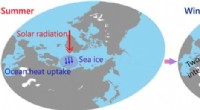
2. Environmental conservation: Antarctica plays a crucial role in regulating global climate and ocean currents. It is also home to diverse wildlife, including penguins, seals, whales, and seabirds. Environmentalists and conservation organizations visit Antarctica to study and protect its vulnerable ecosystems, monitor human impacts, and advocate for its preservation.
3. Exploration and adventure: Antarctica is one of the last frontiers on Earth, offering a sense of adventure and discovery for explorers, mountaineers, and adventurers. Some individuals visit Antarctica to experience its extreme landscapes, challenge themselves in harsh conditions, and witness its unique natural wonders.
4. Tourism: In recent years, Antarctica has become a destination for adventure tourism. Tourists visit the continent to see its stunning icebergs, glaciers, and wildlife, and to participate in activities such as kayaking, hiking, and camping. Tourism to Antarctica is strictly regulated to minimize its environmental impact.
5. Political and diplomatic reasons: Antarctica is governed by the Antarctic Treaty, an international agreement that promotes scientific cooperation and prohibits military activities on the continent. Representatives from various countries may visit Antarctica to participate in diplomatic negotiations, inspections, and meetings related to the treaty and the governance of the region.
6. Educational purposes: Antarctica offers an exceptional opportunity for experiential learning and education. Educational institutions and organizations sometimes organize expeditions to Antarctica for students and researchers, aiming to provide hands-on experiences in scientific research, environmental studies, and leadership development.