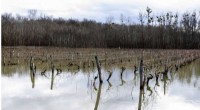
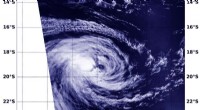
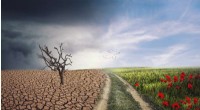
1. Habitat Disruption: Rising temperatures, altered precipitation patterns, and extreme weather events such as floods, droughts, and wildfires can significantly alter or even destroy the natural habitats of many species. This habitat disruption forces species to adapt, migrate, or face population decline and potential extinction.
2. Shifts in Species Distribution: Changes in climate conditions can cause shifts in species' geographic ranges. As environments become too hot, too cold, or too moist for certain species, they may move to new areas where conditions are more favorable. Some species may expand their ranges while others may become more confined.
3. Phenological Changes: Climate change can alter the timing of natural events such as flowering, migration, and hibernation. This can disrupt ecological relationships between different species and may have negative consequences for organisms that depend on others for food, pollination, or protection.
4. Physiological Impacts: Temperature increases can directly affect the physiology of organisms. Many species experience thermal stress when temperatures exceed their optimal range, leading to increased mortality, reduced growth, or impairment of critical body functions. Changes in rainfall patterns can affect water availability and physiological processes that depend on proper hydration levels.
5. Changes in Resource Availability: Shifts in climate conditions can directly affect the abundance and distribution of food resources for animals, including plants, insects, and aquatic organisms. These disruptions in the food chain can have cascading impacts on entire ecosystems.
6. Increased Disease Prevalence: Warming temperatures and habitat alterations can lead to altered transmission patterns of diseases, allowing pathogens and parasites to infect vulnerable species. Changes in host-parasite relationships, as well as shifts in the geographic ranges of pathogens, can increase the risk of disease outbreaks.
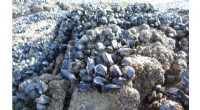
7. Ocean Acidification: Increased levels of carbon dioxide (CO2) from human activities dissolve in the oceans, leading to ocean acidification. This process lowers the pH level of the water, making it harder for marine organisms, such as shellfish and corals, to build and maintain their calcium carbonate shells and structures.
8. Extinction Risks: As the combined effects of climate change intensify, numerous species face challenges in adapting and surviving. Those that are unable to cope with rapid environmental changes are at greater risk of population decline and eventual extinction.