Thermal Stratification: Density variations in water due to temperature differences lead to thermal stratification in ponds. During warmer seasons, the upper layer of water (epilimnion) becomes less dense due to higher temperatures, while the deeper water (hypolimnion) remains cooler and denser. This stratification is essential for maintaining thermal habitats for different aquatic organisms. Many aquatic species are adapted to specific temperature ranges, and thermal stratification allows them to distribute themselves accordingly.
Overwintering: The unique density characteristics of water allow certain freshwater ponds to remain unfrozen during cold winter months in temperate regions. As the surface water cools, it becomes denser and sinks, while warmer water rises to the top. This process, known as convection, prevents the entire pond from freezing. This unfrozen water provides a refuge for aquatic organisms, such as fish, insects, and amphibians, to survive the winter.
Oxygen Concentration: The density of water influences the concentration of dissolved oxygen (DO) in freshwater ponds. Colder water can hold more oxygen than warmer water. During the summer, when water temperatures are higher, oxygen levels in the pond may decrease. This can be stressful for aquatic organisms, particularly those with higher oxygen demands. The density differences between warm and cold water layers can create gradients of oxygen concentration, affecting the distribution and survival of aquatic species.
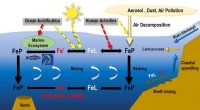
Nutrient Cycling: The density of water influences nutrient cycling processes within the pond ecosystem. Nutrients, such as phosphorus and nitrogen, are essential for plant growth. During the spring and fall, when water temperatures change rapidly, the density-driven mixing of water layers promotes the circulation of nutrients from deeper, nutrient-rich water to the surface. This mixing enhances nutrient availability for phytoplankton and other primary producers, leading to increased productivity in the pond ecosystem.
Species Interactions: The density of water can influence species interactions and behavior in freshwater ponds. For instance, some predatory fish species may use the differences in water density to locate and capture their prey. Changes in water density can affect the swimming ability and buoyancy of aquatic organisms, potentially altering predator-prey dynamics and influencing the overall community structure of the pond.
Overall, the density of water is a critical physical property that shapes the thermal structure, oxygen availability, nutrient cycling, and species interactions within freshwater pond ecosystems. Understanding the importance of water density is essential for managing and conserving these ecosystems in temperate regions.