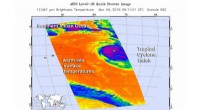
Weather events can contribute to climate patterns and variability. For instance, persistent weather patterns over an extended period can influence climate trends. A consecutive series of hot summers or cold winters can contribute to long-term climate shifts. Extreme weather events, such as hurricanes or severe storms, can also impact the local or regional climate by causing significant changes in temperature, precipitation patterns, and ecosystems.
However, weather itself does not directly cause or change the overall global climate. The primary factors that influence climate change on a global scale are long-term shifts in the Earth's energy balance, driven by natural processes (such as volcanic eruptions and solar radiation variations) and human activities (primarily greenhouse gas emissions). These factors gradually alter the average weather conditions over an extended period, leading to climate change and its associated impacts on ecosystems, sea levels, and global temperatures.