1. Root Reinforcement: Plant roots bind soil particles together, creating a cohesive structure that resists erosion. Deeper and more extensive root systems enhance soil stability and reduce the risk of soil loss.
2. Canopy Interception: Vegetation canopies intercept rainfall, reducing the impact of raindrops on the soil. This reduces the detachment of soil particles and subsequent runoff, thereby mitigating soil erosion.
3. Litter Layer: Plant litter, consisting of fallen leaves, twigs, and other organic matter, forms a protective layer on the soil surface. This litter layer absorbs the impact of raindrops, slows down surface runoff, and enhances infiltration. By reducing the erosive power of runoff, the litter layer helps prevent soil loss.
4. Evapotranspiration: Plants release water vapor into the atmosphere through transpiration, while soil moisture evaporates from the ground surface. This combined process, known as evapotranspiration, reduces the amount of water available for surface runoff, thereby decreasing the potential for soil erosion.
5. Increased Surface Roughness: Vegetation creates a rougher surface, hindering the flow of surface water and reducing its erosive power. The presence of plants and plant residues disrupts the continuity of water flow, allowing more time for infiltration and reducing the risk of soil erosion.
6. Soil Organic Matter: Plants contribute to the addition of organic matter to the soil through root decomposition and litter accumulation. Organic matter improves soil structure, increases its water-holding capacity, and enhances soil stability, all of which contribute to reducing soil loss.
7. Buffer Strips: Vegetated buffer strips along rivers, streams, and other water bodies can effectively trap sediment and nutrients from runoff, preventing them from entering waterways and contributing to soil erosion.
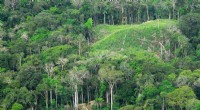
The density, type, and distribution of vegetation all influence its effectiveness in controlling soil loss. Natural ecosystems with diverse vegetation, including trees, shrubs, grasses, and ground cover, provide optimal protection against soil erosion. Human activities such as deforestation, improper land management, and overgrazing can disrupt natural vegetation and exacerbate soil erosion. Therefore, promoting sustainable land management practices and preserving natural vegetation are essential for minimizing soil loss and maintaining healthy ecosystems.