1. Tropical Climate Zone:
- Located near the equator.
- High temperatures throughout the year, generally above 18°C (64°F).
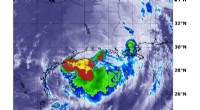
- Significant precipitation, often in the form of heavy rainfall or monsoons.
2. Temperate Climate Zone:
- Found in the mid-latitudes between the tropical and polar zones.
- Distinct seasons with varying temperature ranges.
- Summers are warm, and winters are cool to cold.
- Precipitation amounts can be moderate to high, depending on the region's location.
3. Polar Climate Zone:
- Situated at the Earth's extreme latitudes near the North and South Poles.
- Low temperatures throughout the year, with long and freezing winters.
- Summers are short and cool, with temperatures seldom exceeding 10°C (50°F).
- Precipitation is generally low, often in the form of snow.
In addition to these three main climate zones, the Köppen-Geiger system further divides them into subcategories based on precipitation and temperature variations, leading to a more detailed understanding of different climate regions around the world.