Stratigraphy: The study of rock layers and their sequence to determine the relative ages of different rock units and the events that occurred during their formation.
Radiometric dating: Techniques that use the decay of radioactive isotopes to determine the absolute age of rocks and other materials.
Paleontology: The study of fossils and their distribution in rock layers to learn about past life forms and how they evolved over time.
Sedimentology: The study of sediments and sedimentary rocks to understand the processes that formed them and the environments in which they were deposited.
Geochemistry: The study of the chemical composition of rocks and minerals to gain insight into their origin, formation, and subsequent alteration.
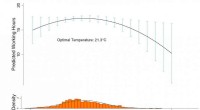
Paleoclimatology: The study of past climate conditions based on evidence such as ice cores, tree rings, and sediment deposits.
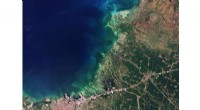
Geomorphology: The study of landforms and the processes that shape them, including weathering, erosion, and deposition.
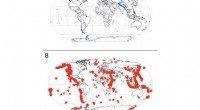
Tectonics: The study of the Earth's crust and its movement, including earthquakes, volcanic eruptions, and the formation of mountain ranges.
Geophysics: The study of the Earth's physical properties, including its magnetic field, gravity field, and internal structure.
These are just a few examples of the principles and methods that scientists use to study Earth's history. Each field of study contributes to our understanding of the past, and the combination of different techniques allows scientists to build a more complete picture of Earth's history.