1. Oceans: Oceans are the largest bodies of water on Earth, covering approximately 71% of the planet's surface. They are characterized by their vast size, high salinity, and deep waters. The five main oceans are the Pacific, Atlantic, Indian, Southern (Antarctic), and Arctic oceans.
2. Seas: Seas are smaller than oceans and are usually partially enclosed by land. They are typically connected to oceans and share similar characteristics, such as high salinity. Some seas, like the Mediterranean Sea or the Caribbean Sea, are well-known for their location and importance in history.
3. Lakes: Lakes are freshwater bodies surrounded by land. They can vary greatly in size, from small ponds to vast freshwater systems like the Great Lakes in North America. Lakes are often fed by rivers and streams, and they can be classified based on various characteristics, such as their water clarity, depth, and temperature.
4. Rivers: Rivers are natural channels that carry freshwater from higher elevations to lower ones. They are fed by various sources, including precipitation, snowmelt, and groundwater. Rivers eventually empty into oceans, seas, or lakes.
5. Streams: Streams are smaller than rivers and often refer to smaller channels of flowing freshwater. They are usually tributaries, meaning that they feed into larger rivers or bodies of water.
6. Ponds: Ponds are relatively small bodies of freshwater, often found in terrestrial environments. They are typically shallower than lakes and are often fed by rainfall, runoff, or groundwater.
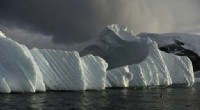
7. Glaciers: Glaciers are large masses of ice formed from accumulated snow. They are found in polar regions and high mountain ranges. Glaciers can move slowly over the land, and when they reach the ocean, they can form icebergs.
8. Wetlands: Wetlands are areas of land that are saturated with water for extended periods. They can include marshes, swamps, bogs, and fens. Wetlands are important ecosystems that provide habitats for various plant and animal species and play a crucial role in water filtration and flood control.