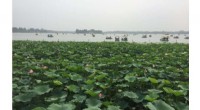
Hydrosphere refers to all the water on Earth's surface, including oceans, lakes, rivers, and groundwater. It is the largest of Earth's four spheres, covering over 70% of the planet's surface. The hydrosphere is essential for life on Earth, providing habitat for aquatic plants and animals, and a source of drinking water for humans.
The main differences between the cryosphere and the hydrosphere are:
- State of matter: The cryosphere is composed of frozen water, while the hydrosphere is composed of liquid water.
- Location: The cryosphere is found in cold regions of the Earth, such as the Arctic and Antarctic, while the hydrosphere is found all over the planet.
- Importance: The cryosphere is important for regulating the Earth's climate, sea levels, and water cycle, while the hydrosphere is essential for life on Earth.