- Terracing: Building a series of steps on a slope, such as in agriculture, to slow down water before it can gather strength and cause erosion.
- Contour plowing: Plowing fields along the natural contours of the land, rather than up and down, to slow down water before it can gather strength and cause erosion.
- Planting cover crops: Growing crops that cover the soil, such as grass or clover, to hold it in place and prevent it from washing away.
- Using mulch: Covering the soil with organic material, such as leaves or straw, to help absorb rainfall and prevent it from washing away soil.
- Installing retention ponds: Creating structures to capture and hold stormwater, preventing it from washing away soil.
- Reducing surface runoff: Installing structures such as permeable pavement or rain gardens to allow water to soak into the ground rather than running off.
- Conserving water: Reducing water use, particularly during droughts, can help reduce the risk of soil erosion.
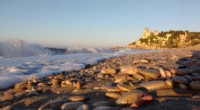
- Protecting shorelines: Planting trees and other plants along shorelines can help stabilize the soil and prevent it from being washed away by waves.
Plants
- Roots: The roots of plants help to hold the soil in place and prevent it from being washed away.
- Stems: The stems of plants help to slow down the flow of water, giving it time to soak into the ground.
- Leaves: The leaves of plants help to absorb rainfall and prevent it from washing away soil.
- Canopy: The canopy of a plant helps to protect the soil from the sun and wind, which can help to reduce evaporation and prevent soil from drying out and becoming loose.
- Ground cover: Plants that cover the ground help to hold the soil in place and prevent it from being washed away.
- Organic matter: Plants release organic matter into the soil, which helps to improve soil structure and reduce erosion.