1. Water Cycle: Rain is a crucial part of the water cycle, replenishing groundwater and surface water sources like lakes, rivers, and reservoirs. It helps maintain the balance of the Earth's water resources.
2. Plant Growth: Rain provides water essential for plant growth, supporting forests, grasslands, and agricultural fields. It aids in photosynthesis, allowing plants to convert sunlight into energy.
3. Erosion Control: Rain helps control soil erosion by slowing down surface runoff. The water seeps into the ground, reducing the loss of topsoil and nutrients.
4. Nutrient Replenishment: Raindrops absorb nutrients from the atmosphere, such as nitrogen and sulfur compounds. These nutrients are then deposited on the ground, enriching the soil and promoting plant growth.
5. Air Purification: Rain helps purify the air by washing away pollutants and dust particles. It contributes to improved air quality and reduced smog.
6. Habitat Support: Rain provides water for various wildlife habitats, including wetlands, ponds, and forests. Many species rely on rainfall for survival and reproduction.
7. Hydroelectric Power: Rain contributes to hydroelectric power generation by filling dams and reservoirs. The potential energy stored in water can be converted into electricity.
Potential Negative Impacts of Rain:
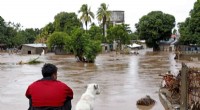
1. Flooding: Heavy or prolonged rainfall can lead to flooding, causing damage to infrastructure, homes, and communities. Flooding can also displace wildlife and disrupt ecosystems.
2. Erosion: While rain can control erosion, excessive rainfall can lead to severe soil erosion, especially on steep slopes or deforested areas. This can result in the loss of fertile soil and sedimentation of water bodies.
3. Water Pollution: Rainwater can carry pollutants, such as agricultural chemicals and urban runoff, into water sources. This can degrade water quality and harm aquatic ecosystems.
4. Landslides: Heavy rainfall can saturate the ground, increasing the risk of landslides. These landslides can damage infrastructure, block roads, and endanger human lives.
5. Disease Spread: In certain regions, heavy rainfall can create favorable conditions for the spread of waterborne diseases, especially in areas with poor sanitation and hygiene.
6. Infrastructure Damage: Intense rainfall can overwhelm drainage systems, leading to flooded streets, traffic disruptions, and damage to buildings and roads.
It is important to note that the effects of rain on the environment depend on various factors such as the amount of rainfall, duration, intensity, and local conditions. While rain is essential for many ecological processes, it can also pose challenges that require proper management and mitigation strategies to minimize negative impacts.