* Lava flows: Mauna Loa's frequent eruptions have produced extensive lava flows that cover large areas of the island of Hawaii. These lava flows have created a unique and dramatic landscape, with black, jagged rocks and barren terrain.
* Calderas: Mauna Loa has two calderas, or large volcanic craters, at its summit. These calderas are several kilometers wide and hundreds of meters deep. They are a striking feature of the volcano and contribute to its immense size.
* Ash deposits: Mauna Loa's eruptions also produce ash deposits that can blanket the surrounding area. These ash deposits can damage vegetation and infrastructure, and can also pose a health risk to people and animals.
Atmosphere:
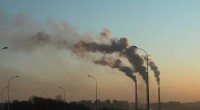
* Sulfur dioxide emissions: Mauna Loa is a major source of sulfur dioxide (SO2) emissions. SO2 is a harmful gas that can cause respiratory problems in humans and animals. It can also contribute to acid rain, which can damage plants and aquatic life.
* Aerosol emissions: Mauna Loa's eruptions also produce aerosols, which are tiny particles that can remain suspended in the atmosphere for long periods of time. Aerosols can affect the climate by reflecting sunlight back into space, cooling the planet. They can also contribute to air pollution and haze.
* Climate change: Mauna Loa is also a contributor to climate change. The CO2 released by its eruptions is a greenhouse gas that traps heat in the atmosphere, leading to global warming.
Overall, Mauna Loa has a significant impact on the landscape and atmosphere of the island of Hawaii and the wider region. Its eruptions can cause damage and disruption, but they also create a unique and awe-inspiring natural landscape.