1. Weathering:
- Physical Weathering:
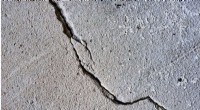
. Rock expansion and contraction due to temperature changes: On hot days, rocks heat up and expand, while at night, they cool down and contract. Over time these repeated expansion and contraction can lead to the cracking and breakdown of rocks.
_Examples_ : Cracked pavements, crumbling bricks, and exfoliating layers on rocky outcrops.
. Plant growth and root action: Plant roots can penetrate cracks in rocks and expand them as they grow, eventually breaking apart the rock.
_Example_ : Sidewalks lifted by tree roots, and cracks in walls due to nearby plants.
. Abrasion: When wind or water carries sand, silt, or other particles, it can wear away the surfaces of rocks and minerals through a process called abrasion.
_Examples_: Wind abrasion on desert rocks creating smooth, rounded surfaces, and sandy beaches where wind and waves erode coastal rocks.
- Chemical Weathering:
. Water and acids: Slightly acidic rainwater and groundwater can dissolve minerals in rocks over time, especially those containing carbonates or sulfates.
_Examples_ : Dissolution of limestone forming sinkholes and caves.
. Oxidation: When exposed to oxygen, minerals containing iron, such as pyrite, can undergo Oxidation and form rust, weakening and disintegrating the rock.
_Examples_: Rusty nails and metal surfaces, and reddish discoloration of some rocks.
2. Erosion:
- Water Erosion:
. Rainfall and runoff: Heavy rainfall can cause surface runoff, carrying away soil particles and leading to soil erosion.
_Example_ : Formation of gullies and rills on slopes especially those without proper vegetation coverage.
. Flooding: Fast-moving water during floods can erode large amounts of soil, sediments, and even structures in its path.
_Examples_: Soil erosion along river banks and devastating effects of floods on infrastructure.
- Wind Erosion:
. Strong winds: High winds can pick up and carry away loose soil and sand particles.
_Examples_: Dust storms in arid regions and sand dunes formed by the accumulation of wind-blown sand.
- Glacial Erosion:
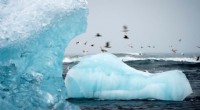
. Glacier movement: The slow but persistent movement of glaciers can scrape and erode the underlying rocks and landforms.
_Example_: U-shaped valleys, moraines, and glacial striations on rocks.
- Animal and Human Activities:
. Burrowing animals: Animals that dig burrows can contribute to soil erosion by creating pathways for water to penetrate the ground.
_Example_: Prairie dog colonies and termite mounds.
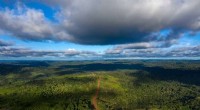
. Human activities: Construction projects, agriculture, mining, and deforestation can accelerate weathering and erosion by altering landscapes and vegetation, leading to soil degradation and increased sediment runoff.
By understanding how weathering and erosion occur in everyday life, we can appreciate the dynamic nature of the Earth's surface and take necessary measures to protect and conserve our natural landscapes and resources.