Advantages:
1. Natural Beauty and Biodiversity: State nature reserves often encompass stunning landscapes, varied ecosystems, and rich biodiversity. Residents enjoy the opportunity to be surrounded by nature's beauty and observe diverse wildlife.
2. Recreational Activities: State nature reserves frequently provide ample opportunities for outdoor recreation, including hiking, birdwatching, camping, fishing, and more. Residents can engage in these activities right at their doorstep.
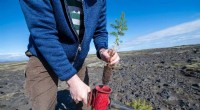
3. Conservation and Preservation: Living within a state nature reserve contributes to its preservation efforts. Residents become stewards of the environment, fostering a sense of appreciation and responsibility for conservation.
4. Sustainable Living: State nature reserves often embrace sustainable living practices, including water conservation, wildlife protection, and waste management. Residents can adopt these practices and contribute to a more environmentally friendly lifestyle.
5. Community and Shared Interests: Communities within state nature reserves often share a passion for nature and outdoor pursuits. Residents can build strong connections with like-minded individuals, creating a close-knit and supportive community.
6. Health Benefits: Spending time in nature has numerous positive impacts on physical and mental well-being. Residents have the advantage of easily accessing these benefits by being immersed in nature.
Disadvantages:
1. Remote Locations: State nature reserves may be situated in remote areas, distant from major cities and urban amenities. This could limit access to essential services, such as healthcare facilities, educational institutions, and entertainment options.
2. Limited Infrastructure: Depending on the level of development within the reserve, residents might experience limitations in infrastructure, such as transportation networks, reliable internet connections, and access to certain utilities.
3. Tourism Impact: Popular state nature reserves may experience high tourist traffic during peak seasons. Residents might encounter noise, crowding, and potential disruption of their peaceful environment.
4. Seasonal Inconveniences: Some nature reserves may experience extreme weather conditions or seasonal challenges, such as heavy snowfall or flooding. These can impact daily life and the ability to access certain areas.
5. Limited Growth Opportunities: Economic growth and development may be limited within state nature reserves due to conservation priorities. Residents might face fewer job opportunities and career advancements within the reserve's boundaries.
6. Balancing Preservation and Needs: Striking a balance between preserving natural habitats and meeting the needs of residents can be a delicate task. Residents may have to make compromises in terms of altering the landscape or introducing certain modern conveniences.
Ultimately, whether the advantages outweigh the disadvantages depends on an individual's preferences and priorities. For those seeking a life immersed in nature, conservation, and a close-knit community, living within a state nature reserve can be a fulfilling choice. However, it is essential to consider the challenges associated with remote locations, infrastructure limitations, and seasonal inconveniences before making a decision.