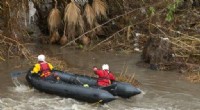
1. River Erosion: Rivers are dynamic bodies of water that carry sediment and rocks as they flow downstream. Over time, river erosion shapes valleys, canyons, and gorges. When a river changes course or meanders, it can create oxbow lakes and floodplains.
2. Waterfall Formation: When a river encounters a steep change in elevation, such as a cliff or a hard rock layer, it forms a waterfall. The force of the water erodes the rock at the base of the waterfall, leading to the development of plunge pools and the recession of the waterfall over time.
3. Glacier Movement: Glaciers are large masses of ice that slowly move due to gravity. As glaciers flow, they erode the underlying bedrock, creating glacial valleys, cirques, and moraines. When glaciers melt, they release vast amounts of water, resulting in glacial lakes and rivers.
4. Coastal Erosion: Waves and tides continuously erode coastal areas. This process, known as coastal erosion, creates cliffs, headlands, and beaches. Wave energy is influenced by several factors such as wind speed, water depth, and the presence of seawalls or coral reefs, shaping the coastline accordingly.
5. Groundwater and Caves: Groundwater seeps through cracks and pores in rocks, dissolving minerals and forming underground caverns and caves. Over time, the collapse of these caves can lead to the development of sinkholes, underground rivers, and karst landscapes.
6. Hydrothermal Activity: Water plays a crucial role in hydrothermal activity associated with volcanoes and geothermal regions. When heated groundwater interacts with rocks, it dissolves minerals and forms hydrothermal solutions. The precipitation of these minerals can result in the creation of hydrothermal vents, geysers, mineral deposits, and other hydrothermal features.
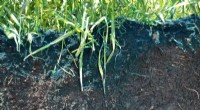
7. Weathering and Mass Wasting: Water plays a vital role in weathering processes that break down rocks and soil. Freeze-thaw cycles, for example, can cause rocks to fracture, making them more vulnerable to erosion. Additionally, heavy rainfall can trigger landslides, debris flows, and mudflows, shaping the landscape through mass wasting processes.