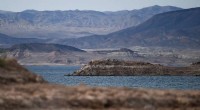
A natural harbor is a sheltered area of water, such as a cove, inlet, or bay, that offers protection for boats and other watercraft. Natural harbors are formed when a stretch of coastline is indented by a body of water, providing a calm, enclosed area protected from strong winds, waves, and currents.
How do Natural Harbors affect the Environment?
Natural harbors have several important effects on the environment:
* Protection of Marine Life: Natural harbors provide a safe haven for marine life by offering shelter from harsh weather conditions and predators. Many species of fish, crustaceans, and other aquatic organisms rely on natural harbors for breeding, feeding, and nursery grounds.
* Buffer from Coastal Erosion: The presence of natural harbors can help reduce the impact of coastal erosion by dissipating wave energy before it reaches the shoreline. This can help to preserve beaches, dunes, and other coastal ecosystems.
* Water Filtration: Natural harbors act as natural filters for water entering the ocean, helping to remove pollutants, sediments, and nutrients from land-based sources. This can improve water quality and protect marine life.
* Influence on Local Climate: Natural harbors can influence local climate conditions by moderating temperatures and reducing the impact of strong winds. This can lead to more stable and favorable weather patterns in the vicinity.
* Economic Benefits: Natural harbors have significant economic importance as they provide safe anchorages for fishing vessels, commercial ships, and recreational boats. This supports the fishing industry, maritime trade, and tourism in the region.
Overall, natural harbors are important natural resources that offer numerous environmental and economic benefits. They contribute to the overall health and sustainability of coastal ecosystems and support various human activities.