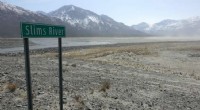
Regions with equable climates are often located in coastal areas or near large bodies of water, which have a moderating effect on temperatures. The presence of water helps to absorb and release heat more slowly, preventing significant temperature fluctuations. Additionally, mountain ranges or other geographical features can influence the climate of a region, creating pockets of equability.
Examples of regions with equable climates include coastal areas of California, the Mediterranean Sea, and parts of Australia. These regions tend to have mild temperatures throughout the year, with average daily temperatures remaining within a relatively narrow range. This consistency in temperature makes equable climates favorable for agriculture, tourism, and outdoor activities.