1. Temperature Regulation:
- Large bodies of water, such as oceans, act as heat reservoirs. They absorb and store solar energy during the day and release it slowly at night, moderating temperature changes in coastal areas. As a result, coastal regions tend to have milder temperatures and less extreme temperature fluctuations compared to inland areas.
2. Humidity and Precipitation:
- Water bodies increase the amount of moisture in the surrounding air through evaporation. This higher humidity can influence local precipitation patterns. Coastal areas generally experience higher precipitation compared to inland regions due to the increased availability of moisture from the water bodies.
3. Wind Patterns:
- Bodies of water influence wind patterns. Land and water heat at different rates, creating differences in air pressure. These pressure differences generate winds that move from cooler areas (usually over water) to warmer areas (over land). These winds, known as sea breezes and land breezes, can significantly impact local climate conditions.
4. Fog and Cloud Formation:
- Evaporation from water bodies contributes to the formation of fog and clouds. Over the ocean, warm, moist air rising from the water can condense to form fog banks or stratocumulus clouds. These clouds can affect the amount of sunlight reaching the surface, influencing local temperatures and precipitation patterns.
5. Microclimates:
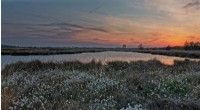
- Water bodies can create microclimates within a larger climate zone. For example, areas near the water's edge may have a more humid and moderate climate compared to areas further inland. Water bodies can also influence the distribution of plant and animal life, creating unique ecosystems.
6. Climate Fronts:
- The boundaries between air masses with different temperatures and moisture content are known as climate fronts. When a warm, moist air mass from over the ocean meets a colder, drier air mass from over land, the warm air rises, leading to condensation and precipitation. These fronts can generate storms and significant changes in weather patterns.