1. Mountain Ranges: Mountainous terrain can serve as a major geographical barrier, particularly for land-based travel. Rugged mountains can make it challenging to cross, requiring specialized equipment, expertise, and infrastructure for transportation.
2. Deserts: Arid and barren desert landscapes can present significant barriers to movement, as they lack sufficient water resources and vegetation to support settlements and easy travel.
3. Forests: Dense forests, especially tropical rainforests, can act as barriers due to their thick vegetation, limited visibility, and the challenges associated with navigating dense undergrowth.
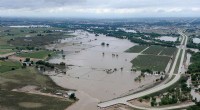
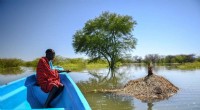
4. Rivers and Lakes: Wide rivers, lakes, and other water bodies can pose barriers for land-based travel, especially if there are no bridges or adequate means to cross them.
5. Oceans and Seas: Vast bodies of water such as oceans and seas create major barriers for long-distance travel and require specialized vessels and infrastructure for navigation.
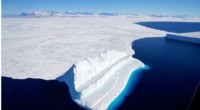
6. Glaciers and Ice Fields: Large ice formations and glaciers can be impassable barriers, making travel across polar regions or high-altitude environments extremely challenging.
7. Canyons and Gorges: Deep canyons and gorges with steep cliffs can be difficult to traverse and may require specialized equipment or assistance for safe passage.
8. Tundra: Arctic and alpine tundra regions may present challenges due to extreme weather conditions, limited resources, and the fragility of the environment.
Geographical barriers have played significant roles in shaping human history, influencing patterns of migration, settlement, trade, and cultural exchange. They have also influenced political and economic dynamics, as well as the distribution of resources and ecosystems around the world. Recognizing and understanding geographical barriers is crucial for effective land use planning, infrastructure development, and conservation efforts.