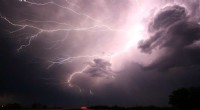
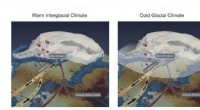
1. Precipitation: The atmosphere is responsible for the formation of precipitation, including rain, snow, sleet, and hail. When water vapor in the atmosphere condenses, it forms clouds. As these clouds become saturated, the water droplets or ice crystals become too heavy to remain suspended and fall as precipitation. Precipitation is a crucial component of the water cycle, replenishing freshwater sources and sustaining ecosystems.
2. Evaporation and Transpiration: The atmosphere plays a vital role in evaporation and transpiration, which are key processes in the water cycle. Evaporation is the transformation of liquid water into water vapor and occurs when water bodies are exposed to heat from the sun. Transpiration is the process by which plants release water vapor into the atmosphere through their leaves. These processes contribute to the movement of water from the hydrosphere to the atmosphere, driving the continuous cycling of water on Earth.
3. Wind and Ocean Currents: Atmospheric winds influence the movement of ocean currents. Wind blowing over the ocean surface generates friction, causing the water to move. Ocean currents transport vast amounts of water across the globe, distributing heat and nutrients and influencing climate patterns.
4. Storms and Hurricanes: The atmosphere can generate powerful storms and hurricanes, which can have significant impacts on the hydrosphere. Storm surges, high waves, and heavy rainfall associated with these storms can cause coastal erosion, flooding, and damage to infrastructure.
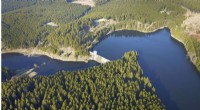
5. Atmospheric Pressure: Variations in atmospheric pressure affect the level of water bodies. Changes in air pressure can cause the water level in lakes, rivers, and oceans to rise or fall. High atmospheric pressure can lead to lower water levels, while low atmospheric pressure can result in higher water levels.
6. Acid Rain: Certain pollutants released into the atmosphere, such as sulfur dioxide and nitrogen oxides, can react with water vapor to form acids. These acids can dissolve in rainwater and create acid rain, which has detrimental effects on aquatic ecosystems by altering water chemistry and harming sensitive organisms.
Overall, the atmosphere exerts a profound influence on the hydrosphere, driving water movement, shaping water bodies, and impacting their ecological functioning. Understanding these interactions is crucial for managing water resources, predicting and mitigating the effects of extreme weather events, and preserving the health of aquatic ecosystems.