Here are some of the key features of the early Earth's environment:
* Atmosphere: The atmosphere on early Earth was composed primarily of hydrogen, helium, methane, and ammonia. Oxygen was present in only trace amounts. This meant that the air was not breathable for humans and most other animals that evolved later on.
* Temperature: The surface temperature on early Earth was much hotter than it is today. This was due to a number of factors, including the higher levels of greenhouse gases in the atmosphere and the fact that the Earth was closer to the sun. The average global temperature is estimated to have been around 72°F (22°C), compared to around 59°F (15°C) today.
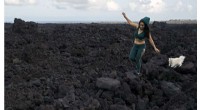
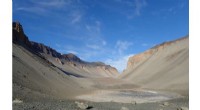
* Land: The land on early Earth was barren and rocky. There was little vegetation, and the soil was thin and infertile. This was due to the lack of oxygen in the atmosphere, which is essential for plant growth.
* Water: The oceans on early Earth were much larger than they are today. They covered most of the planet's surface, and the sea level was much higher. The water was also much saltier than it is today, due to the lack of freshwater input from rivers and streams.
The early Earth's environment was very harsh and inhospitable to life. However, it eventually became more hospitable as the atmosphere and temperature changed. This allowed for the evolution of the first life forms on Earth.