1. Water Cycle:
- The hydrosphere is a vital part of the water cycle. It stores, transports, and recycles water through processes such as precipitation, evaporation, condensation, and runoff.
- The movement of water within the hydrosphere helps distribute heat and moisture across the globe, influencing weather patterns and climate conditions.
2. Aquatic Ecosystems:
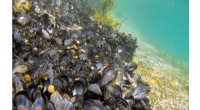
- Oceans, lakes, rivers, and wetlands are home to a rich diversity of aquatic life, forming complex ecosystems that support numerous species of plants, animals, and microorganisms.
- The health and stability of these aquatic ecosystems are directly linked to the quality and quantity of water in the hydrosphere.
3. Climate Regulation:
- The hydrosphere plays a crucial role in regulating the Earth's climate by absorbing solar energy and redistributing heat through ocean currents.
- The oceans act as significant carbon sinks, absorbing carbon dioxide from the atmosphere and helping to regulate global temperatures.
4. Water Resources:
- The availability and quality of water resources in the hydrosphere are essential for human survival and well-being. Freshwater sources from lakes, rivers, and groundwater provide drinking water, irrigation for agriculture, and support industries.
- Effective management and conservation of these resources are vital to ensure sustainable water use and address issues like water scarcity.
5. Transportation and Trade:
- The hydrosphere facilitates transportation and trade through waterways, including oceans, rivers, and canals.
- Water transportation provides a cost-effective and eco-friendly means to move goods and people globally.
6. Recreation and Aesthetics:
- Many water bodies are popular destinations for recreational activities such as swimming, boating, fishing, and water sports.
- The aesthetic beauty of water bodies contributes to their cultural and recreational significance, promoting tourism and leisure.
7. Source of Energy:
- The energy potential of water is harnessed through hydroelectric power generation, utilizing the flow of water to produce clean and renewable electricity.
- Tidal energy and wave power are also emerging renewable energy sources tapping into the energy of oceanic movements.
8. Pollutant Transport:
- While water is a vital resource, it can also be a medium for pollutant transport. Industrial runoff, agricultural activities, and sewage discharge can contaminate water bodies, leading to environmental degradation and health risks.
- Managing pollution and implementing sustainable practices is essential to maintain water quality.
In summary, the hydrosphere is intricately connected with the environment, impacting various ecosystems, climate patterns, water resources, biodiversity, and human activities. Understanding these interconnections is vital for sustainable environmental management, conservation efforts, and ensuring a balanced relationship between the hydrosphere and the rest of the Earth's systems.