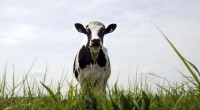
2. Geographic Diversity: The Earth's surface exhibits remarkable geographic diversity, including mountains, valleys, deserts, grasslands, forests, wetlands, and oceans. Each of these geographic features presents unique environmental conditions, such as elevation, topography, soil type, humidity, and water availability. These diverse conditions create habitats suitable for different plant and animal species, resulting in the development of distinct biomes.
3. Atmospheric Conditions: Atmospheric conditions, including temperature, precipitation, humidity, and wind patterns, play a crucial role in shaping biomes. Temperature gradients from the equator to the poles and varying precipitation levels across regions determine the distribution of vegetation and animal life. For example, tropical rainforests thrive in hot and wet equatorial regions, while deserts are characterized by extremely dry conditions and sparse vegetation.
4. Ocean Currents: The Earth's oceans are not static bodies of water, but rather have complex circulation patterns driven by various forces, such as wind and differences in water density. Ocean currents transport heat and nutrients around the globe, influencing the climate of coastal regions and creating unique habitats for marine organisms. The Humboldt Current along the west coast of South America, for instance, brings cold nutrient-rich water, supporting a rich marine ecosystem.
5. Geological History and Soil Conditions: The geologic history of a region, including past climatic conditions and tectonic events (continental drift and mountain formation), contributes to the development of biomes. Soil types, which result from geologic processes and weathering, also play a significant role in determining the types of plants that can grow in a particular area.
6. Co-evolution of Species: Over time, species within a biome co-evolve and adapt to their specific environment, forming complex ecological communities. These interactions, including competition, predation, mutualism, and symbiosis, shape the composition of plant and animal species within a biome. For example, the evolution of flowering plants and their associations with pollinators have influenced the diversification of terrestrial biomes.
In conclusion, the Earth's diverse biomes are the result of a combination of factors, including variation in solar energy, geographic heterogeneity, atmospheric conditions, ocean currents, geological history, soil types, and co-evolution of species. Understanding these factors is crucial for comprehending the intricate relationships between organisms and their environments, and for developing strategies to conserve and protect the Earth's rich biodiversity.