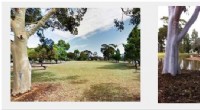
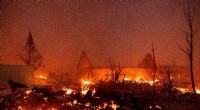
1. Visual Observations: Early environmental assessments often relied on visual observations and descriptions of the environment. Naturalists, explorers, and conservationists documented the state of plant and animal populations, as well as the physical characteristics of landscapes. This approach provided qualitative information on environmental conditions.
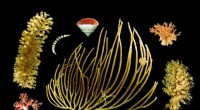
2. Field Surveys and Inventories: As scientific understanding of ecology and ecosystems developed, field surveys and inventories became more systematic and quantitative. Researchers began conducting standardized surveys of species populations, documenting species richness, abundance, and distribution. This data provided insights into changes in biodiversity over time.
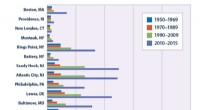
3. Pollution Monitoring: With the rise of industrialization and urbanization, monitoring of pollution levels became essential. Air quality and water quality measurements were conducted to assess the impact of human activities on the environment. This led to the development of regulations and standards to control pollution.
4. Resource Utilization and Consumption: Historical records of resource utilization, such as timber harvesting, water use, and mineral extraction, were used to understand how human activities were affecting natural resources. These measurements helped evaluate resource sustainability and guide management decisions.
5. Health Indicators: Environmental status has also been linked to human health. Historically, outbreaks of diseases, such as cholera and malaria, were associated with poor environmental conditions. Studies on the relationship between environmental factors and public health provided valuable insights into the impact of pollution and environmental degradation on human well-being.
6. Environmental Impact Assessments (EIA): In recent decades, EIA has become a standard tool for assessing the potential environmental impacts of development projects. EIAs evaluate factors such as land use changes, water resources, air quality, and biodiversity, allowing for informed decision-making and mitigation strategies.
These are some of the historical methods used to measure the status of the environment. As scientific methods advanced and environmental awareness grew, more sophisticated monitoring techniques and indicators have emerged, enabling a comprehensive understanding of the changing state of our planet.