1. Contour Plowing: This technique involves plowing along the natural contours of the land rather than straight up and down slopes. Contour plowing helps slow down the flow of water, allowing it to soak into the ground instead of running off and causing erosion.
2. Terracing: Terracing involves creating level platforms on sloping land. These terraces act as barriers that interrupt the flow of water, reducing erosion.
3. Strip Cropping: Strip cropping is the practice of alternating rows of different crops or vegetation on the same field. This helps to break up the path of water and wind, thereby minimizing erosion.
4. Cover Crops: Cover crops are plants that are grown specifically to cover the soil during off-seasons when the main crop is not being cultivated. Cover crops help to hold the soil in place and prevent erosion.
5. Mulching: Mulching involves covering the soil with a layer of organic material, such as straw, compost, or wood chips. Mulch helps to suppress weed growth, retain moisture, and reduce soil erosion.
6. Vegetated Waterways: Creating vegetated waterways involves establishing dense vegetation along drainage paths to slow down the flow of water and prevent it from cutting into the soil.
7. Reforestation: Reforestation efforts involve planting trees in areas that have been cleared of vegetation. Trees help to stabilize the soil and reduce wind and water erosion.
8. Erosion Control Blankets: These are biodegradable or synthetic materials placed on slopes to provide temporary protection from erosion during construction or landscaping projects.
9. Gabions and Revetments: Gabions are wire mesh cages filled with stones, while revetments are structures made of rocks, concrete, or other materials. They are used to protect shorelines and riverbanks from erosion.
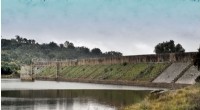
10. Dams and Levees: Dams and levees are large structures that help control the flow of water and reduce erosion. Dams are built across rivers to create reservoirs, while levees are embankments constructed along rivers to contain floodwaters.
11. Erosion Control Matting: Erosion control matting is a temporary covering made of synthetic materials or natural fibers. It is used to hold the soil in place during the establishment of vegetation.
12. Windbreaks: Windbreaks are rows of trees or shrubs planted to obstruct the force of the wind. They help reduce wind erosion, particularly in dry and windy areas.
By implementing these erosion control measures, humans can mitigate the negative impacts of erosion on soil, water quality, and ecosystems.