Watersheds are defined as the area of land that drains into a body of water, such as a river, lake, or ocean. Watersheds are important because they provide water for drinking, irrigation, and transportation, and they also support a variety of plant and animal life. Conservationists use watersheds as a way to manage water resources and protect aquatic ecosystems. For example, conservationists may work to reduce pollution in a watershed, or they may restore wetlands to improve water quality.
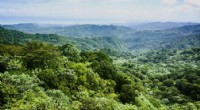
Ecozones are defined as regions of the Earth that are characterized by similar climate, vegetation, and animal life. Ecozones are important because they provide a way to understand the distribution of biodiversity and to identify areas that are at risk of environmental degradation. Conservationists use ecozones as a way to identify and protect areas of high biodiversity and to develop conservation plans for those areas. For example, conservationists may work to create a protected area in an ecozone that is threatened by deforestation.
By using watersheds and ecozones, conservationists can better understand and manage natural ecosystems. This work is essential to protecting biodiversity and ensuring the sustainability of our planet.
Here are some specific examples of how conservationists use watersheds and ecozones:
* Watershed conservation: Conservationists may work to protect watersheds by reducing pollution, restoring wetlands, and managing water resources. For example, the Chesapeake Bay Program is a partnership between the federal government, state governments, and local organizations to restore the Chesapeake Bay watershed. The program has implemented a variety of conservation measures, including reducing nutrient pollution, restoring wetlands, and improving fish habitat.
* Ecozone conservation: Conservationists may work to protect ecozones by creating protected areas, managing human activities, and restoring degraded ecosystems. For example, the Greater Yellowstone Ecosystem is a large ecozone in the western United States that is home to a variety of wildlife, including grizzly bears, wolves, and elk. The Greater Yellowstone Ecosystem is protected by a number of national parks and forests, and conservationists are working to manage human activities, such as logging and grazing, to protect the ecosystem.
By using watersheds and ecozones, conservationists can help to protect biodiversity, ensure the sustainability of our planet, and provide a variety of benefits to people, such as clean water, food, and recreation.