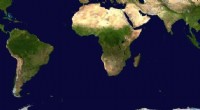
Geologically, continents are made up of thicker and less dense crust than the ocean basins. Most of this crust is of the continental type. The continental crust is less dense because it has a higher proportion of silicon and aluminum and a lower proportion of iron and magnesium than the oceanic crust.
Continents are also home to a wide variety of ecosystems, from tropical rainforests to deserts to polar ice caps. They are home to the majority of the world's population, and they are the sites of most major cities and civilizations.
Here is a table summarizing the key characteristics of continents:
| Characteristic | Description |
|---|---|
| Size | Large, continuous area of land |
| Location | Surrounded by water on at least three sides |
| Crust | Thicker and less dense continental crust |
| Ecosystems | Wide variety of ecosystems |
| Population | Majority of the world's population |
| Cities and civilizations | Sites of most major cities and civilizations |