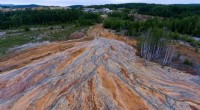
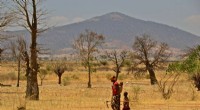
The initial stage of rainforest regeneration is characterized by the establishment of pioneer species. These are fast-growing, shade-intolerant plants that are able to colonize disturbed areas and create a favorable microclimate for other species. Pioneer species include grasses, shrubs, and small trees that can quickly establish themselves on bare ground. They help to stabilize the soil, provide shelter for animals, and create a moist environment that is conducive to seed germination.
2. Secondary Succession
As the pioneer species establish themselves, they create a more favorable environment for other plants to grow. This process, known as secondary succession, involves the gradual replacement of early successional species by later successional species. Shade-tolerant plants, such as ferns, mosses, and understory trees, begin to grow beneath the canopy of the pioneer species. As the forest canopy develops, it provides shade and moisture, which allows for the establishment of more diverse plant species.
3. Climax Community
Over time, the rainforest will reach a climax community, which is a stable and self-sustaining ecosystem. The climax community is characterized by a diverse array of plant and animal species that are adapted to the local environmental conditions. The rainforest canopy is typically composed of tall, broad-leaved trees that form a dense canopy that shades the understory. The understory is made up of a variety of plants, including shrubs, ferns, mosses, and epiphytes.
Factors Affecting Rainforest Regeneration
The rate and success of rainforest regeneration depend on a number of factors, including:
* Climate: The climate of the region plays a critical role in rainforest regeneration. Rainforests require a warm, humid climate with abundant rainfall.
* Soil Conditions: The soil conditions of the area must be suitable for plant growth. The soil must be fertile and well-draining.
* Seed Dispersal: Seeds must be dispersed to the regenerating area in order for new plants to establish themselves. Seed dispersal can be accomplished by animals, wind, or water.
* Human Activity: Human activities can have a negative impact on rainforest regeneration. Deforestation, logging, and other human activities can disrupt the natural processes of regeneration.
Despite the challenges, rainforest regeneration is an important process that helps to maintain the biodiversity and ecological balance of the planet.